Healthy Teeth. Healthier Pets.
Did you know most cats and dogs show signs of dental disease by the age of 3?
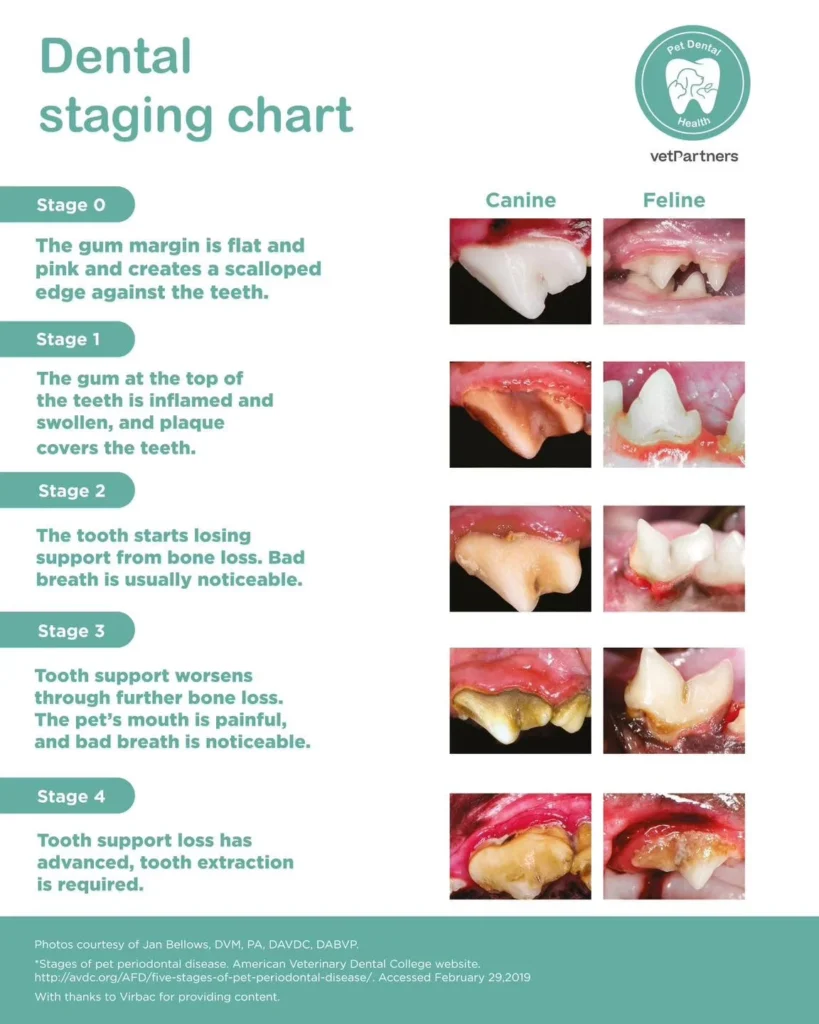
Dental disease is one of the most common health problems we see in pets, yet it often goes unnoticed because our furry friends can't tell us when their mouths hurt. Bad breath, tartar build up, red gums, and loose teeth can all be signs of an underlying problem that may impact your pet's overall health and quality of life.
At our clinic, we provide professional dental cleanings and oral health evaluations to help keep your pet comfortable, healthy, and smiling.
Why Dental Health Matters
Dental disease isn't just a cosmetic issue. Bacteria from infected teeth and inflamed gums can enter the bloodstream and affect important organs such as the heart, liver, and kidneys.
Untreated dental disease may lead to chronic pain, gum infections, tooth loss, difficulty eating, bad breath, and an increased risk of systemic illness. Many pets continue eating despise significant dental pain, making it easy for problems to go unnoticed until they become advanced.
The Hidden Disease You Can't See
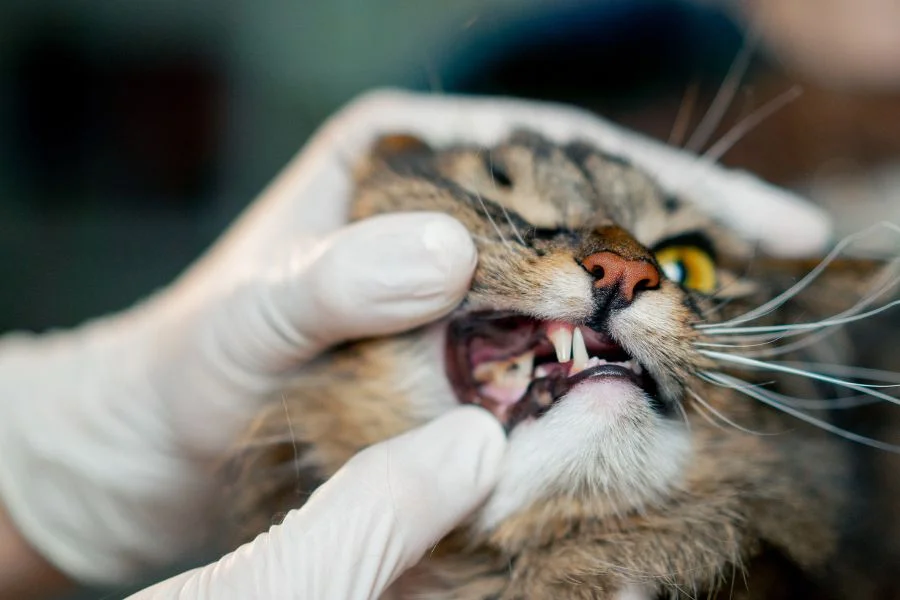
Pets are experts at hiding discomfort. Common signs of dental disease to look for are: bad breath, yellow or brown tartar buildup, red or bleeding gums, dropping food while eating, pawing at the mouth, difficulty chewing, excessive drooling, and decreased appetite. If you notice any of these signs, it is time to schedule a dental evaluation.
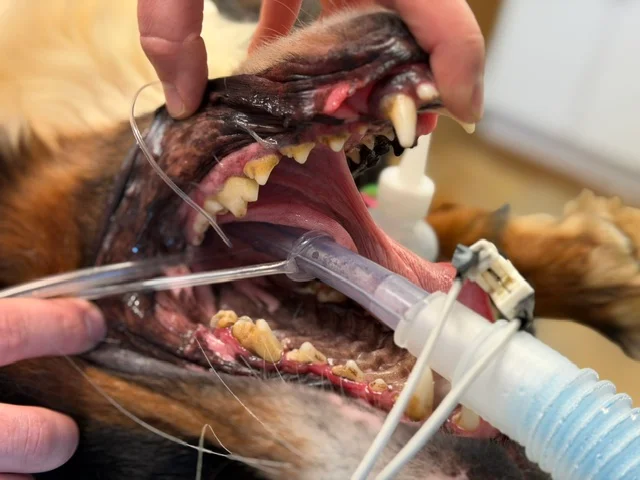
Dogs specifically develop plaque and tartar buildup that can lead to gingivitis and periodontal disease. Small breeds are especially prone to dental problems, but dogs of any size can be affected. You can reference the image to the left to show the before and after to really take in the importance of dental cleanings.
What Happens During a Professional Dental Cleaning?
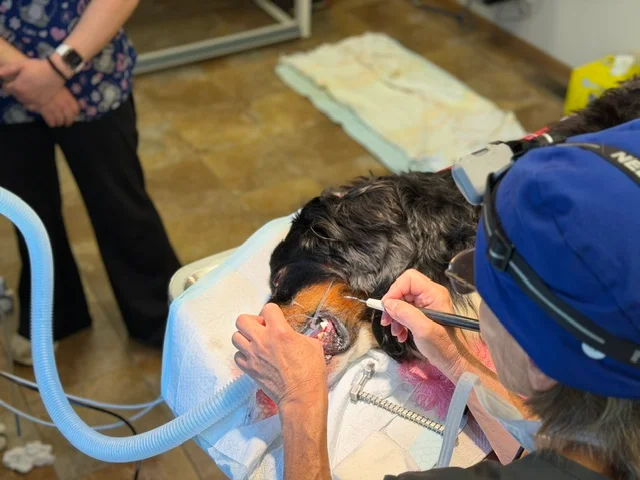
A standard dental procedure includes a thorough oral exam, ultrasonic scaling to remove plaque and tartar, polishing of the teeth, evaluation of damaged or diseased teeth, and any tooth extractions if necessary.
Is Anesthesia Necessary?
Yes. 100%. Anesthesia allows us to perform a complete and safe dental cleaning while minimizing stress and discomfort for your pet. Without anesthesia, it is impossible to clean below the gumline, where periodontal disease develops properly. Our skilled technicians carefully monitor your pet throughout the entire procedure, and after, to ensure their safety.
At-Home Dental Care
Professional cleanings are only one part of maintaining good oral health.
We also recommend: regular tooth brushing, oral wipes, approved dental chews, dental diets when appropriate, and routine oral exams.
Preventative care can help slow the progression of dental disease and keep your pet comfortable between cleanings.